
Do Vets Make You Pay Upfront? Here's What to Expect
Many vets, including us at Aborn Pet Hospital, typically require payment at the time of service, especially for new clients or emergency care. However, we offer options like CareCredit and payment plans to help manage costs.
Can You Set Up a Vet Payment Plan or Financing?
Yes, many veterinary clinics offer payment plans or financing to help spread out costs. Here's a comparison of common options:
| Option | How It Works | Interest | Eligibility |
|---|---|---|---|
| CareCredit | Health care credit card; use for vet bills and pay over time | 0% APR for promotional periods (e.g., 6–12 months) if paid in full | Credit check required; approval varies |
| Scratchpay | Online lender offering installment loans for vet care | Varies; may have low or 0% APR options | Quick online application; soft credit check |
| In-house payment plan | Clinic sets up a schedule (e.g., 3 monthly payments) | Typically no interest | Often for established clients; may require deposit |
| Pet insurance (direct pay) | Some insurers pay the vet directly (e.g., Trupanion) | Monthly premium; no interest on claims | Policy must be active before visit |
At Aborn Pet Hospital, we accept CareCredit and can discuss payment plan options for qualifying clients. Contact us to learn more about what works for your situation.
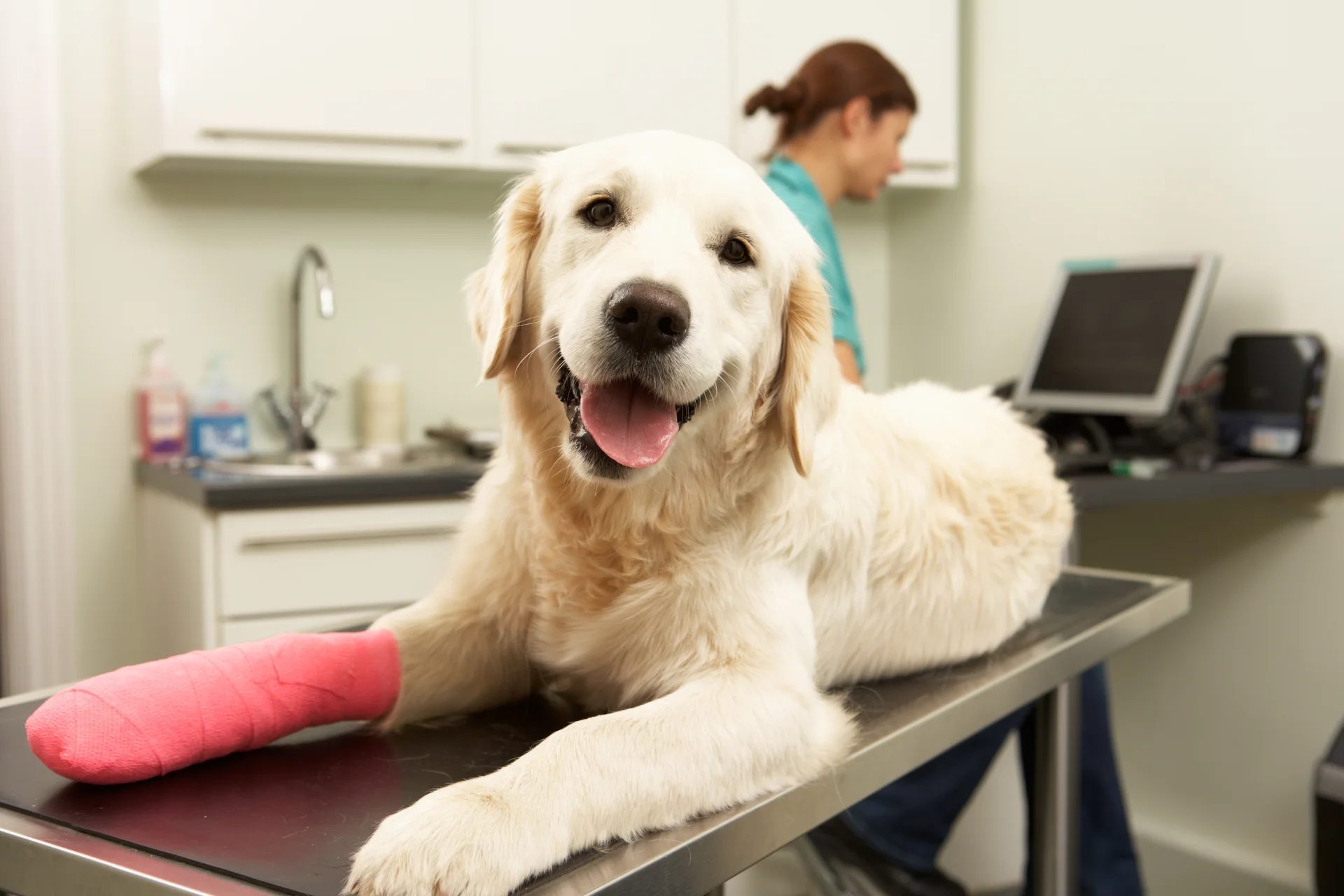
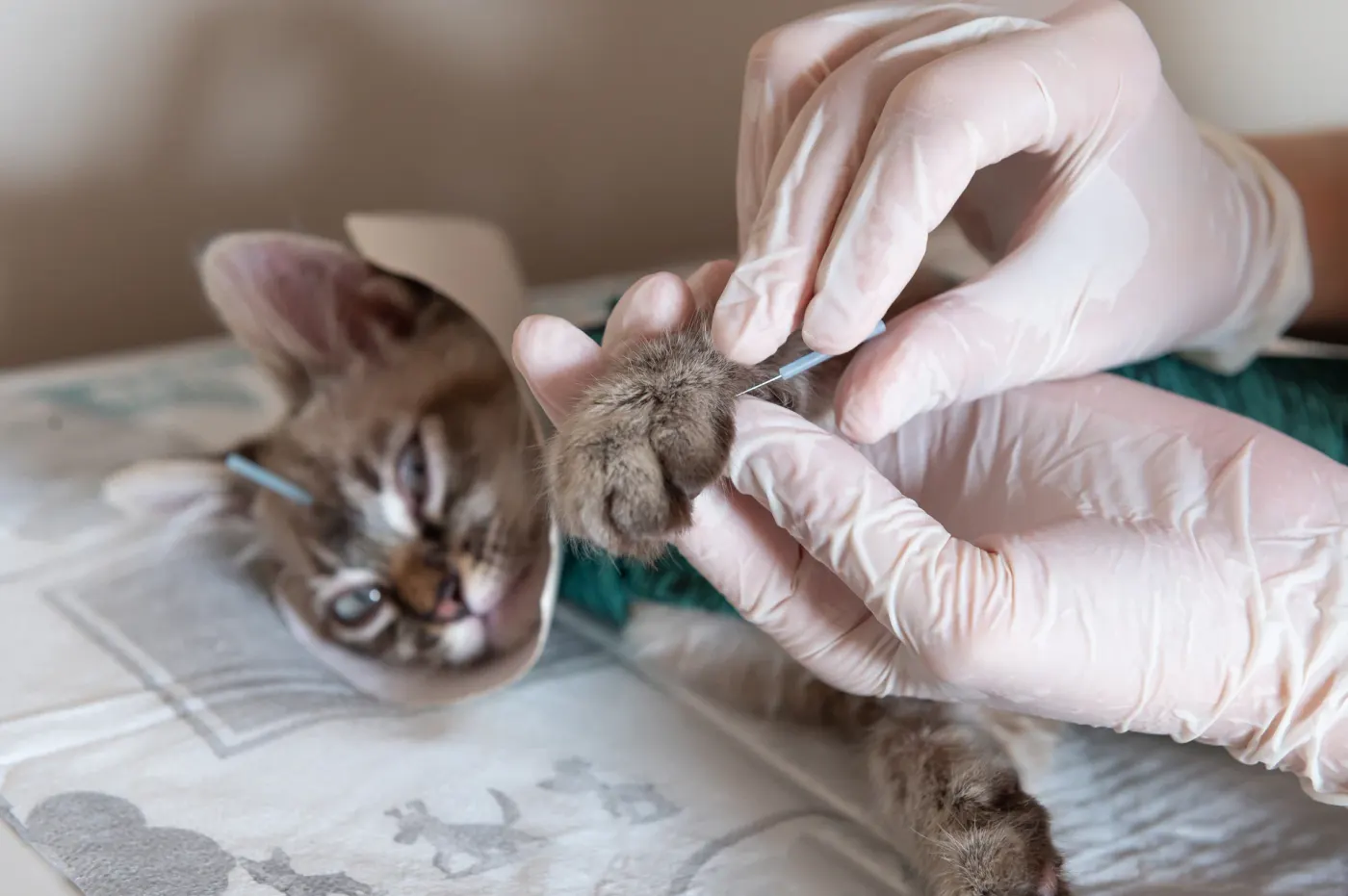
Do Vets Make You Pay Upfront? Here's the Straight Answer
In most cases, yes—veterinarians require payment at the time of service. This is standard practice, especially for new clients, emergency visits, or procedures like surgery and diagnostics. Why? Because veterinary medicine operates on thin margins, and unpaid bills can threaten a clinic's ability to provide care. However, policies vary by clinic. Some vets may offer a grace period for established clients or accept partial payment with a plan for the balance.
At Aborn Pet Hospital, we understand that unexpected costs can be stressful. While we generally request payment upfront for new clients and emergency care, we work with you to explore options like CareCredit or payment plans when possible. Our goal is to ensure your pet gets the care they need without unnecessary financial strain.
Does Pet Insurance Pay Your Vet Directly? What to Know
Most pet insurance plans work on a reimbursement model: you pay the vet upfront, submit a claim, and get reimbursed later. However, a few providers offer direct payment to the vet. Here's a quick comparison:
| Provider | Pays Vet Directly? | Reimbursement Model | Notes |
|---|---|---|---|
| Trupanion | Yes | Pays vet directly at time of checkout (if clinic is set up) | No waiting for reimbursement; reduces upfront cost |
| Pets Best | No | You pay upfront, then submit claim | Reimbursement typically within 5–10 business days |
| Lemonade | No | You pay upfront, then submit claim via app | Fast claims processing; often within days |
| ASPCA Pet Health Insurance | No | You pay upfront, then submit claim | Reimbursement up to 90% of eligible costs |
| Spot Pet Insurance | No | You pay upfront, then submit claim | Customizable plans; reimbursement varies |
If you have Trupanion, ask if your vet can process direct payment. For other insurers, you'll typically need to pay upfront and wait for reimbursement. At Aborn Pet Hospital, we can help you understand your insurance benefits and provide necessary documentation for claims.
What Happens If You Can't Afford the Vet Bill? Your Options
If you're facing a large vet bill and can't pay it all at once, you have several options. Here's a breakdown of factors that influence cost and what you can do:
| Factor | Why It Matters | Typical Range (General) |
|---|---|---|
| Type of care | Emergency or specialty care costs more than routine checkups | Routine exam: $50–$100; Emergency visit: $100–$500+ |
| Diagnostics (X-rays, bloodwork) | Essential for diagnosis but add to the bill | $100–$500 per test, varies |
| Surgery | Major procedures like spay/neuter or tumor removal | $200–$2,000+, varies widely |
| Medications | Prescriptions for infections, pain, or chronic conditions | $20–$200 per month, varies |
Options if you're struggling: ask about payment plans (some vets offer in-house), apply for CareCredit or Scratchpay, check if you qualify for pet insurance with direct pay, or seek low-cost clinics. At Aborn Pet Hospital, we encourage you to discuss your financial situation openly—we may be able to prioritize essential care or set up a manageable plan.
Directions to our veterinarian in Fremont, CA from Fremont station
Start at Fremont station and head to Aborn Pet Hospital at 40951 Grimmer Blvd, Fremont, CA 94538.
Payment Options at Aborn Pet Hospital: What You Need to Know
If you're a local pet owner in Fremont or nearby areas like Mission San Jose, Irvington, or Newark, here's how payment works at our clinic:
- Call ahead to discuss costs — Before your visit, call us at (510) 656-0223 for an estimate. We'll explain fees for exams, diagnostics, or procedures.
- Choose your payment method — We accept credit cards, cash, and CareCredit. New clients get a free first exam (terms apply).
- Ask about payment plans — For qualifying clients, we may offer in-house payment plans. Let us know your situation.
- Use pet insurance if applicable — If you have Trupanion, we can process direct payment. For other insurers, we'll provide claim forms.
- Visit us during business hours — We're open Mon–Fri 8 AM–6 PM, Sat 8 AM–5 PM, closed Sunday. Located at 40951 Grimmer Blvd, Fremont, CA 94538.
We're proud to serve the Fremont community since 1987, with over 900 five-star reviews. For more details, check our Aborn Pet Hospital page.
How to Prepare for Emergency Vet Bills Before They Happen
Unexpected vet bills can be stressful, but a little planning goes a long way. Here are practical steps to avoid being caught off guard:
- Start a pet emergency fund — Set aside $500–$1,000 in a savings account specifically for pet emergencies. Even $20 a month adds up.
- Consider pet insurance early — Enroll when your pet is young and healthy to avoid pre-existing condition exclusions. Compare plans for direct pay options like Trupanion.
- Explore CareCredit or Scratchpay — Apply for a health care credit card or loan before an emergency arises. This gives you a backup payment method.
- Know your local low-cost options — Research clinics that offer affordable care, such as [[affordable-veterinarian-near-me|low-cost vet services in Fremont]].
- Keep a list of emergency contacts — Save our number (510) 656-0223 and know the location of 24-hour emergency vets in the area.
For more tips, see our guide on [[what-if-my-dog-has-an-emergency-and-i-have-no-money|what to do if your dog has an emergency and you have no money]].
Sources
Also asked as
- Do you have to pay upfront at the vet?
- Can I pay my vet bill in installments?
- What if I can't afford the vet bill?
Frequently asked questions
Can I pay monthly on vets4pets?
Vets4Pets is a UK-based chain, but in the US, many vets offer monthly payment plans through third-party financing like CareCredit or Scratchpay. At Aborn Pet Hospital, we can discuss options to spread costs over time for qualifying clients.
Does pet insurance increase with age?
Yes, pet insurance premiums typically increase as your pet ages, due to higher health risks. It's best to enroll when your pet is young to lock in lower rates and avoid pre-existing condition exclusions.
Can vets do payment plans?
Many vets offer in-house payment plans, especially for established clients. These plans may require a deposit and are often interest-free. At Aborn Pet Hospital, we encourage you to ask about payment plan options during your visit.
What happens if you can't afford to pay the vet?
If you can't afford the vet bill, options include payment plans, CareCredit, Scratchpay, or seeking low-cost clinics. Some vets may prioritize life-saving care and work out a payment schedule. Never delay emergency care due to cost—discuss your situation openly with the vet.
Why are vets so unaffordable?
Vet costs reflect advanced medical equipment, trained staff, and overhead. While prices can seem high, many clinics offer financing and payment plans to make care accessible. The ASPCA recommends budgeting for pet care and considering insurance to manage costs.