
Does My Dog Know When I'm in Pain? Yes, and Here's How They Show It
Yes, your dog can sense when you're in pain. Dogs read your body language, facial expressions, and scent changes, and they often respond with comforting behaviors like leaning, licking, or staying close.
Yes, Your Dog Knows When You're in Pain — Here's How
Your dog absolutely knows when you're in pain. They don't need words to understand your suffering. Dogs are masters of reading human emotions through subtle cues: your posture, facial expressions, the tone of your voice, and even changes in your scent. When you're hurting, your body releases different chemicals and hormones, and your dog's powerful nose picks up on that shift instantly.
Studies show that dogs can distinguish between happy and sad human faces, and they often respond with comforting behaviors. Your dog may nuzzle your hand, rest their head on your lap, or simply stay close to you. This isn't coincidence — it's empathy. Dogs have evolved alongside humans for thousands of years, and they've become incredibly attuned to our emotional and physical states. So yes, when you're in pain, your dog knows — and they care.

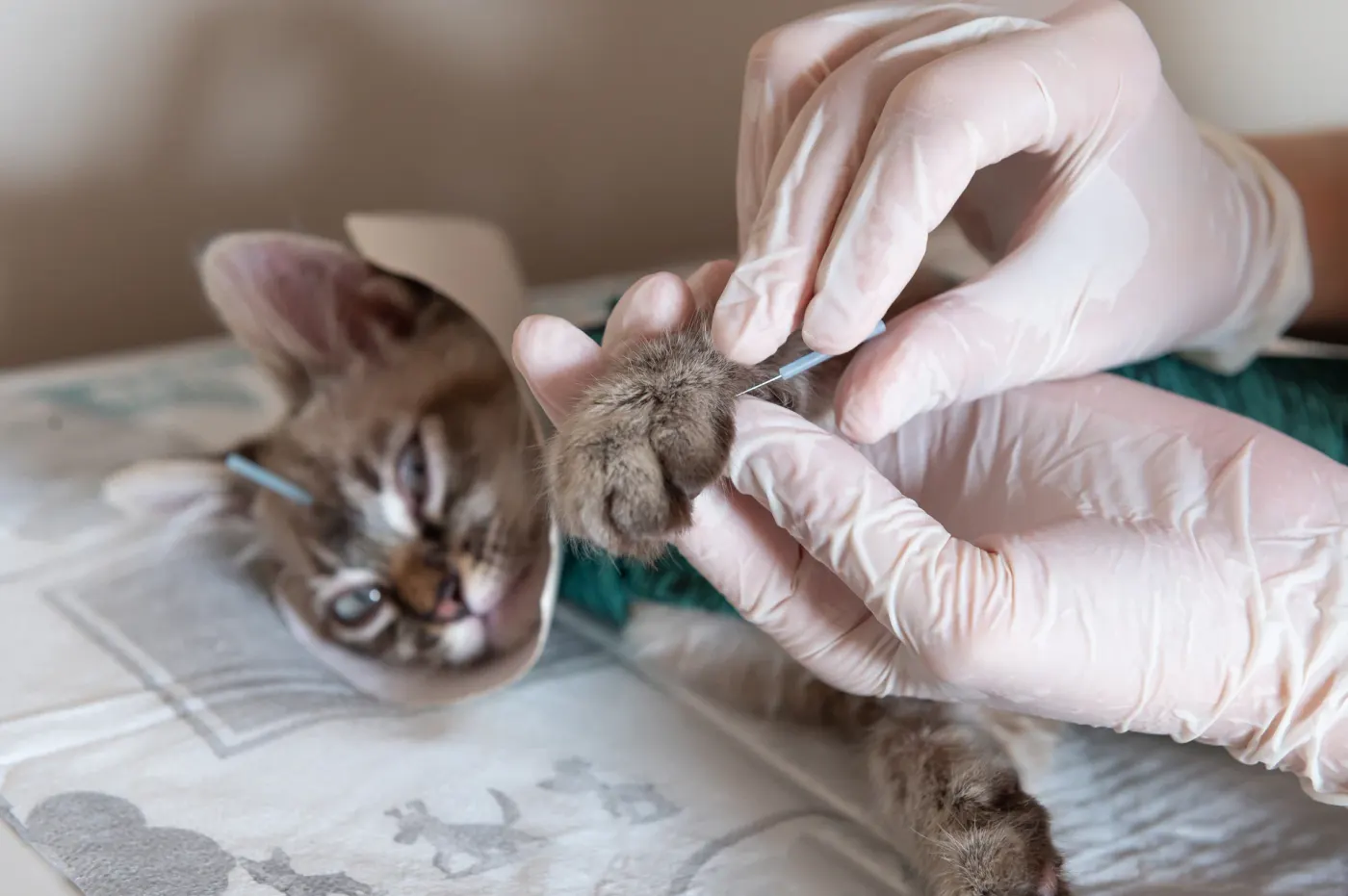
Can Your Dog Sense When You're Hurting?
Both science and countless owner experiences confirm that dogs can sense when their humans are in pain. Your dog picks up on your emotional state through a combination of cues: they read your facial expressions, listen to the changes in your voice, and even detect the chemical signals your body releases when you're distressed. This ability is so refined that dogs can often tell the difference between genuine pain and just a bad day.
Your dog may respond by becoming more gentle, licking your face or hands, or bringing you their favorite toy as a comfort offering. Some dogs will lie across your body or press against you, providing warmth and pressure that can be soothing. This behavior shows that your dog not only senses your pain but also wants to help you feel better. It's a profound connection that deepens the bond between you and your pet.
Can Your Dog Sense When You're in Pain?
Your dog can indeed sense when you're in pain or upset. This isn't magic — it's a combination of their acute senses and their deep bond with you. Dogs are experts at reading body language; they notice when you move more slowly, wince, or hold a part of your body. They also hear subtle changes in your breathing and vocal tone that signal distress.
Beyond that, dogs can smell the chemical changes in your body when you're in pain, such as increased cortisol or other stress hormones. Your dog's reaction might be subtle: they may follow you more closely, rest their chin on you, or simply sit quietly at your feet. Some dogs become more protective or alert. This sensitivity is a testament to the remarkable emotional intelligence of dogs and their desire to be there for you when you need them most.
How to Tell If Your Dog Is in Pain — and What to Watch For
| Sign of Pain | What It Looks Like | What to Do |
|---|---|---|
| Limping or favoring a limb | Holding one leg up, avoiding putting weight on it | Check for visible injury; call your vet |
| Whining or whimpering | Vocalizing more than usual, especially when moving | Note when it happens; schedule an exam |
| Changes in appetite | Eating less or refusing food | Offer bland food; consult your vet if persists |
| Hiding or avoiding contact | Staying in corners, under furniture, or away from people | Give them space; seek veterinary advice |
| Aggression or irritability | Growling, snapping, or biting when touched | Approach carefully; call your vet immediately |
| Excessive licking or grooming | Focusing on one area of the body | Check for wounds or swelling; vet visit needed |
Dogs instinctively hide pain as a survival mechanism, so subtle changes are important. If you notice any of these signs, especially combined, contact your veterinarian for a thorough evaluation. Early detection can prevent more serious issues.
Directions to our veterinarian in Fremont, CA from California School for the Blind
Start at California School for the Blind and head to Aborn Pet Hospital at 40951 Grimmer Blvd, Fremont, CA 94538.
How to Tell If Your Dog Is in Pain
| Behavioral Sign | Physical Sign | Action to Take |
|---|---|---|
| Restlessness or pacing | Rapid breathing, panting without exertion | Check for overheating; call your vet |
| Decreased activity | Stiffness, reluctance to jump or climb stairs | Limit activity; schedule a checkup |
| Changes in sleep patterns | Sleeping more or less than usual | Monitor; consult your vet if pattern continues |
| Loss of interest in play | Ignoring toys or favorite activities | Encourage gentle play; see vet if persists |
| Changes in posture | Arched back, tucked tail, hunched appearance | Take a photo; share with your vet |
Remember, dogs often hide pain until it becomes severe. Regular wellness exams at your veterinary clinic can catch issues early. If you're ever unsure, it's always better to err on the side of caution and have your pet evaluated.
Can Your Dog Tell When You're Sad or Sick?
Yes, your dog can tell when you're sad or sick. Your emotional state affects your behavior and even your scent, and your dog is finely tuned to these changes. When you're sad, your dog may approach you with a lowered head, lick your face, or simply sit beside you in quiet companionship. Many owners report that their dogs seem to 'know' when they're having a bad day and offer extra affection.
When you're physically sick, your dog may become more protective or attentive. They might lie closer to you, sniff you more frequently, or refuse to leave your side. This behavior is rooted in their pack instinct — in the wild, a sick pack member needs protection and care. Your dog's response is their way of showing concern and offering comfort. It's one of the many ways dogs prove they are truly man's best friend.
How to Tell If Your Dog Is in Pain
Recognizing pain in your dog requires careful observation. Use this checklist to identify potential signs:
- Limping or stiffness: Watch for favoring a limb or moving stiffly after rest.
- Vocal changes: Listen for whining, whimpering, or unusual growling.
- Appetite loss: Note if your dog refuses food or eats less than normal.
- Behavior changes: Look for hiding, aggression, or clinginess that's out of character.
- Excessive grooming: Check for licking, biting, or scratching a specific area.
- Posture changes: Observe for a hunched back, tucked tail, or reluctance to move.
How Dogs Show They Know You're in Pain
Your dog may display these behaviors when they sense you're hurting:
- Staying close: Your dog follows you from room to room or lies at your feet.
- Gentle touching: They nuzzle your hand, rest their head on you, or lick your face.
- Bringing comfort items: Some dogs bring toys, blankets, or even food to you.
- Protective stance: Your dog positions themselves between you and others or becomes more alert.
- Quiet presence: They sit or lie quietly near you without demanding attention.
- Checking on you: Your dog frequently looks at you or comes to check on you if you're resting.
For details on services and visits, see the main page about veterinarian fremont ca.
Sources
Also asked as
- Can my dog tell when I'm hurting?
- Do dogs know when you're sick or sad?
- How do dogs react to human pain?
Frequently asked questions
Do dogs hide pain from their owners?
Yes, dogs are instinctual pain hiders. In the wild, showing weakness makes them vulnerable to predators. That's why subtle signs like decreased appetite, less activity, or slight changes in posture are important to notice. Regular checkups with your veterinarian can help catch hidden pain early.
What is 'I love you' in dog language?
Dogs show affection through behaviors like slow blinking, leaning against you, bringing you toys, and licking your face. A relaxed tail wag, soft eyes, and following you around are also signs of love. These actions are your dog's way of saying they trust and care for you.
Do cats feel pain like humans?
Cats experience pain similarly to humans, but they are masters at hiding it. Signs of pain in cats include hiding, decreased grooming, changes in appetite, and irritability. If you suspect your cat is in pain, a veterinary exam is essential to diagnose and treat the underlying cause.
Can dogs sense broken bones in humans?
While there's no scientific proof that dogs can specifically detect broken bones, they can sense changes in your movement, smell, and behavior. Dogs may become more gentle around an injured area or avoid putting pressure on it. If you have a broken bone, your dog will likely pick up on your pain and adjust their behavior accordingly.
Do dogs know we kiss them?
Dogs may not understand the human concept of a kiss, but they learn to associate it with positive attention and affection. If your dog responds with tail wags, licking, or leaning in, they're enjoying the interaction. Over time, they come to see kisses as a sign of love from you.