
How Much Does a Pet Hospital Visit Cost? A Complete Guide for 2026
A routine pet hospital visit typically costs between $55 and $146 for the exam fee alone, with additional costs for vaccinations, bloodwork, or other services. Emergency visits can range from $250 to $3,750 depending on the severity and treatments needed.
How Much Does a Routine Pet Hospital Visit Cost?
The first thing most pet owners want to know is the baseline price for a standard checkup. A routine vet visit typically includes an exam fee plus any recommended add-ons like vaccinations or fecal testing. Here's a general breakdown of what drives the cost.
| Factor | Why It Matters | Typical Range |
|---|---|---|
| Exam fee | This is the base charge for the veterinarian's time and expertise during a wellness visit. | $55 – $146 |
| Vaccinations (e.g., rabies, DHPP, FVRCP) | Core vaccines are often recommended annually or every three years; prices vary by vaccine type. | $25 – $50 each |
| Fecal exam | Checks for intestinal parasites; often recommended annually. | $30 – $60 |
| Heartworm test | Annual test for dogs (and sometimes cats) to detect heartworm disease. | $45 – $75 |
| Bloodwork (basic panel) | Often recommended for senior pets or before anesthesia; assesses organ function. | $80 – $200 |
| Dental cleaning | Professional scaling and polishing under anesthesia; cost depends on dental health. | $300 – $800 |
Keep in mind that these are general ranges, and actual costs vary by clinic, location, and your pet's specific needs. For example, a cat's routine visit may be slightly less than a dog's due to size and vaccine differences, but the exam fee itself is often similar.
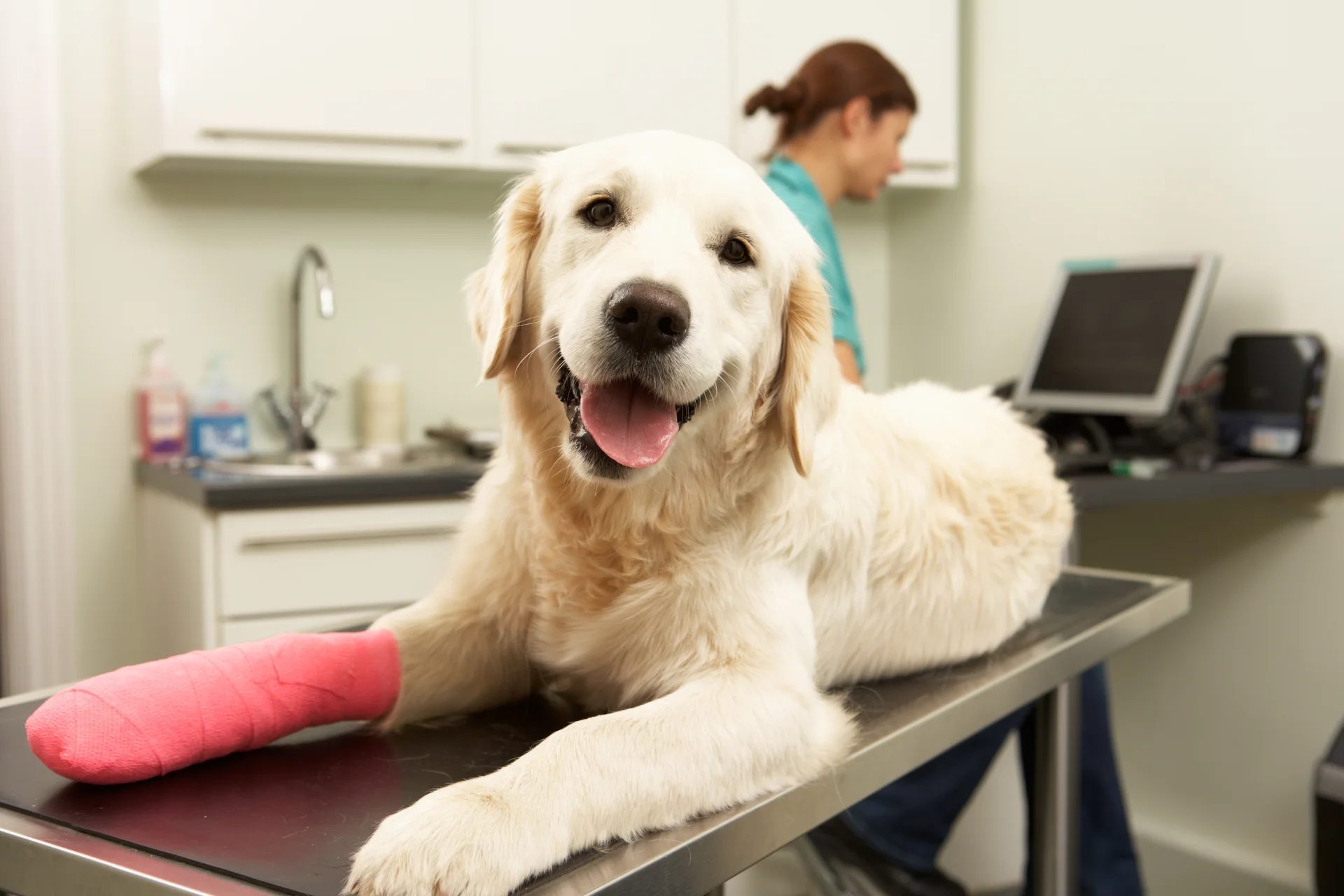
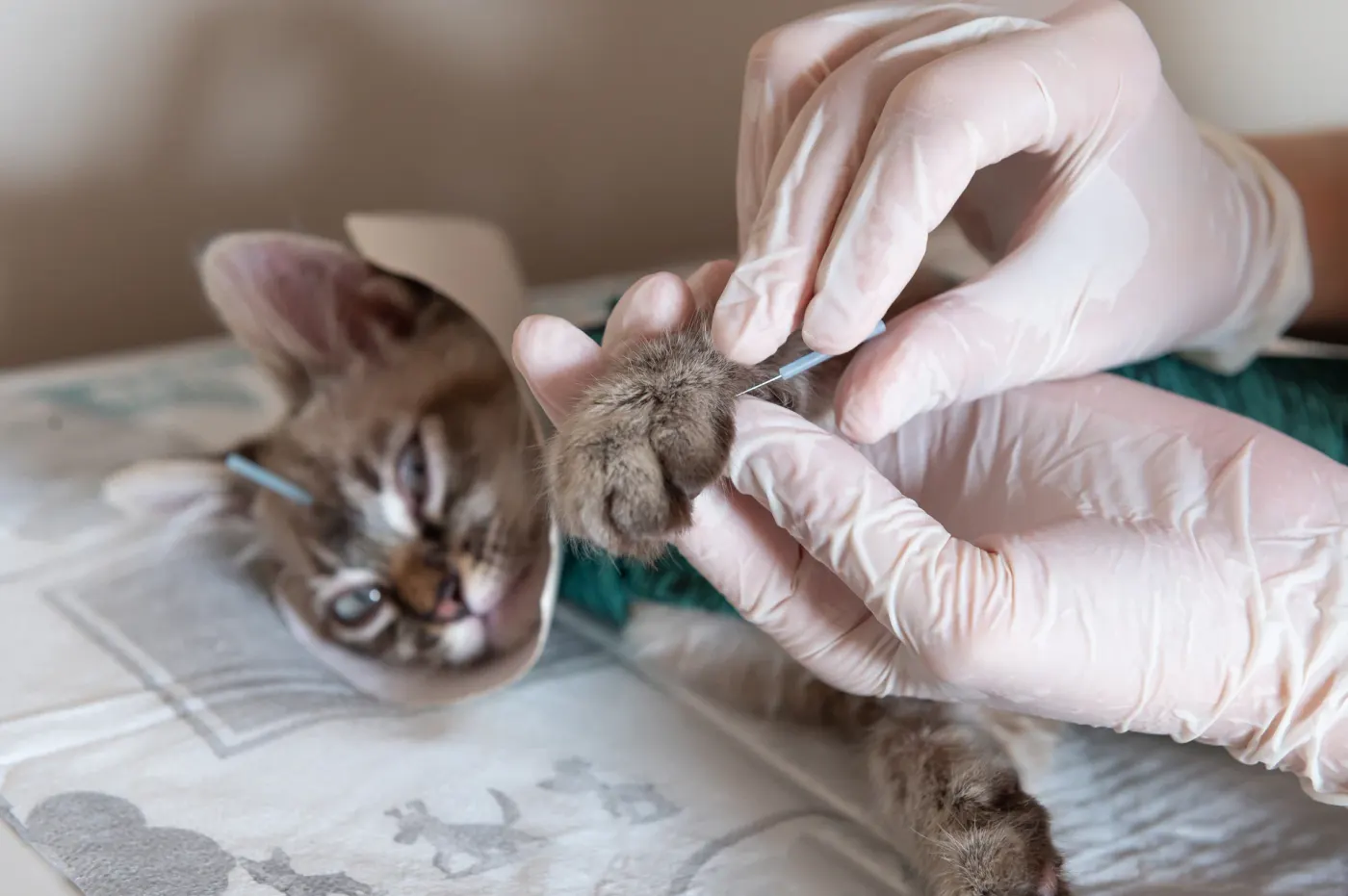
Emergency Vet Visit Costs: What to Expect in 2026
When your pet has a sudden illness or injury, an emergency visit can be significantly more expensive than a routine checkup. Emergency clinics often charge higher exam fees because they provide 24/7 staffing, advanced equipment, and immediate care. Here's what typically drives the cost.
| Factor | Why It Matters | Typical Range |
|---|---|---|
| Emergency exam fee | This covers the urgent evaluation by a veterinarian, often after hours or on weekends. | $100 – $300 |
| Diagnostics (bloodwork, x-rays, ultrasound) | Emergency cases often require rapid testing to diagnose the problem. | $200 – $1,000 |
| Overnight hospitalization | Continuous monitoring and nursing care add up quickly. | $800 – $3,000 per night |
| Surgery (e.g., foreign body removal, wound repair) | Emergency surgeries are more complex and carry higher costs. | $1,500 – $5,000 |
| Medications and fluids | IV fluids, pain medications, and antibiotics are often needed immediately. | $100 – $500 |
In total, an emergency vet visit can range from $250 for a simple issue to $3,750 or more for a serious condition requiring surgery and hospitalization. It's wise to have a plan in place before an emergency happens.
Breaking Down the Cost of Common Vet Services
If you're comparing clinics or deciding whether a specific treatment is affordable, here are typical price ranges for individual services. Remember that these are general estimates and can vary based on your pet's size, health status, and location.
| Service | What It Includes | Typical Range |
|---|---|---|
| Physical exam | Basic wellness check by a veterinarian. | $45 – $75 |
| Bloodwork (basic panel) | Complete blood count and chemistry profile. | $80 – $200 |
| X-rays (per view) | Radiographs to evaluate bones, chest, or abdomen. | $100 – $300 |
| Overnight stay (hospitalization) | Includes monitoring, nursing care, and basic supportive treatment. | $800 – $3,000 per night |
| Dental cleaning (routine) | Scaling, polishing, and oral exam under anesthesia. | $300 – $800 |
| Vaccination (single) | One core vaccine, such as rabies or distemper. | $25 – $50 |
| Fecal exam | Microscopic check for intestinal parasites. | $30 – $60 |
For a more precise estimate, contact your local clinic directly. Many clinics, including ours, can provide a written estimate before any procedure.
Why Veterinary Costs Vary: Location, Clinic, and Pet Factors
You've probably noticed that vet prices can differ widely between clinics. That's because several factors influence what you pay. Location is a major one — veterinary fees in California, for example, tend to be higher than in many other states due to the cost of living, rent, and staff salaries. Clinics in urban areas like Fremont, Newark, or Milpitas may charge more than those in rural regions.
Clinic type also matters. A full-service animal hospital like Aborn Pet Hospital, which offers advanced diagnostics, surgery, and emergency care, typically has higher overhead than a low-cost vaccine clinic. But that also means you have access to a broader range of services under one roof. Your pet's species and size play a role too — dogs often require higher medication doses than cats, and exotic pets like rabbits or guinea pigs may need specialized care that costs more.
Finally, the complexity of the visit drives cost. A simple wellness exam is at the low end, while an emergency with overnight hospitalization can be thousands. Understanding these factors helps you make informed decisions and avoid surprises.
Veterinarian
A veterinarian is a medical professional dedicated to the health and well-being of animals. They diagnose and treat illnesses, perform surgeries, provide preventive care like vaccinations and parasite control, and offer guidance on nutrition and behavior. Veterinarians also play a key role in public health by monitoring zoonotic diseases that can spread between animals and people. Whether you have a dog, cat, rabbit, or guinea pig, a veterinarian is your partner in keeping your pet healthy and happy throughout their life. Understanding the costs associated with veterinary care helps you make informed decisions for your pet's health.
Directions to our veterinarian in Fremont, CA from Centerville Pioneer Cemetery
Start at Centerville Pioneer Cemetery and head to Aborn Pet Hospital at 40951 Grimmer Blvd, Fremont, CA 94538.
Paying for Your Pet's Visit: Insurance, Plans, and Assistance
If you're worried about upfront costs, know that you have options. Here are practical steps to manage your pet's veterinary expenses.
- Check your pet insurance policy. Many plans cover a portion of exam fees, diagnostics, and treatments after a deductible. If you don't have insurance, consider enrolling before your next visit — some plans have waiting periods for certain conditions.
- Ask about payment plans. Some clinics offer in-house payment plans or work with third-party financing companies like CareCredit, which allows you to pay over time with low or no interest if paid within a promotional period.
- Use a credit card or cash. Most veterinary clinics accept major credit cards, debit cards, and cash. At Aborn Pet Hospital, we accept all these forms of payment.
- Look into assistance programs. Nonprofit organizations and local charities sometimes provide grants or low-cost care for pet owners in financial need. Ask your vet if they know of any resources in your area.
- Prioritize preventive care. Regular wellness exams and vaccinations can help catch health issues early, potentially saving you money on expensive emergency treatments later.
If you're ever unsure about a bill, don't hesitate to ask for an itemized estimate. Our team is happy to explain every charge and discuss payment options with you.
Aborn Pet Hospital Visit Costs in Fremont, CA
At Aborn Pet Hospital, we've been serving the Fremont community since 1987, providing care for dogs, cats, rabbits, and guinea pigs. We know that cost is a top concern for pet owners, so we strive to offer transparent pricing and compassionate care. While specific prices vary based on your pet's needs, here's what you can generally expect.
| Service | Details | Notes |
|---|---|---|
| Routine exam | Includes a thorough physical examination by our veterinarian. | New clients receive a free first exam (terms apply). |
| Vaccinations | Core vaccines for dogs and cats, plus optional ones based on lifestyle. | Ask for a quote during your visit. |
| Diagnostics | Bloodwork, x-rays, and other tests to diagnose health issues. | Pricing varies; we provide estimates upfront. |
| Dental care | Professional cleaning, extractions, and oral health assessments. | Cost depends on the level of care needed. |
| Surgery | Spay/neuter, soft tissue surgery, and more. | We'll discuss all costs before proceeding. |
| Emergency care | Urgent treatment for injuries or sudden illness. | We accept walk-ins during business hours. |
We are located at 40951 Grimmer Blvd, Fremont, CA 94538, and are open Monday through Friday from 8 AM to 6 PM, and Saturday from 8 AM to 5 PM (closed Sunday). To schedule an appointment or ask about pricing, call us at (510) 656-0223. You can also visit us in person — we're near Washington College, Fremont Central Park, and NewPark Mall.
For details on services and visits, see the main page about veterinarian fremont ca.
Sources
Also asked as
- How much does a vet visit cost without insurance?
- What is the average cost of a vet visit for a dog or cat?
- How much is an emergency vet visit?
Frequently asked questions
Are emergency pet hospitals more expensive?
Yes, emergency pet hospitals typically charge higher exam fees and service costs due to 24/7 staffing, advanced equipment, and the urgency of care. Expect an emergency exam fee between $100 and $300, plus additional costs for diagnostics and treatment.
How much do vets charge to induce vomiting in dogs?
The cost to induce vomiting in dogs varies by clinic, but it generally ranges from $100 to $300. This includes the exam fee, the medication used, and monitoring to ensure the dog is safe. If your dog has ingested something toxic, call your vet or an emergency clinic immediately.
Do vets make you pay upfront?
Many veterinary clinics require payment at the time of service, especially for emergency care or new clients. However, some clinics offer payment plans or work with financing companies like CareCredit. It's always best to ask about payment policies before treatment.
Why are vet bills so expensive?
Veterinary costs reflect the high level of training, advanced medical equipment, medications, and staffing needed to provide quality care. Location, clinic type, and the complexity of your pet's condition also influence the price. Preventive care can help reduce long-term costs.
What do vets do if you can't pay?
If you cannot pay, some vets may offer payment plans, refer you to a low-cost clinic, or help you apply for financial assistance programs. In emergencies, they may stabilize your pet while you explore options. It's important to communicate your situation openly with the clinic.