
What If My Dog Has an Emergency and I Have No Money?
If your dog has an emergency and you have no money, call your veterinarian immediately to discuss options, apply for grants like RedRover's Urgent Care Grants, consider CareCredit or Scratch Pay, and contact local shelters for low-cost care.
What to Do When Your Dog Needs Emergency Care and You Have No Money
When your dog faces an emergency and you have no money, the first step is to stay calm and take immediate action. Here are the steps to follow:
- Call your veterinarian immediately. Explain the situation and ask if they can see your dog. Many clinics, including Aborn Pet Hospital, will discuss payment options or direct you to resources. If it's after hours, call an emergency vet and ask about financial assistance.
- Apply for RedRover's Urgent Care Grants. RedRover offers financial aid for pet owners who can't pay for emergency treatment. You must apply online and provide documentation; grants are typically $200 to $500.
- Consider CareCredit or Scratch Pay. These are credit options specifically for medical expenses. CareCredit offers deferred interest plans, and Scratch Pay provides installment loans. Approval depends on credit history, but they can cover upfront costs.
- Contact local animal shelters or rescue groups. Some shelters in Fremont, like those in the Mission San Jose or Centerville areas, may have low-cost clinics or know of emergency funds. Ask if they offer sliding-scale fees or payment plans.
- Ask about payment plans. Many veterinarians are willing to set up a payment plan if you explain your situation honestly. Be prepared to make a down payment and stick to a schedule.
- Use pet insurance if you have it. If you have pet insurance, check if it covers emergencies. Some policies reimburse you after you pay, so you may need to front the cost, but it's worth checking.
Remember, time is critical in an emergency. Call ahead to ensure the clinic can see your dog and discuss financial options before you arrive.

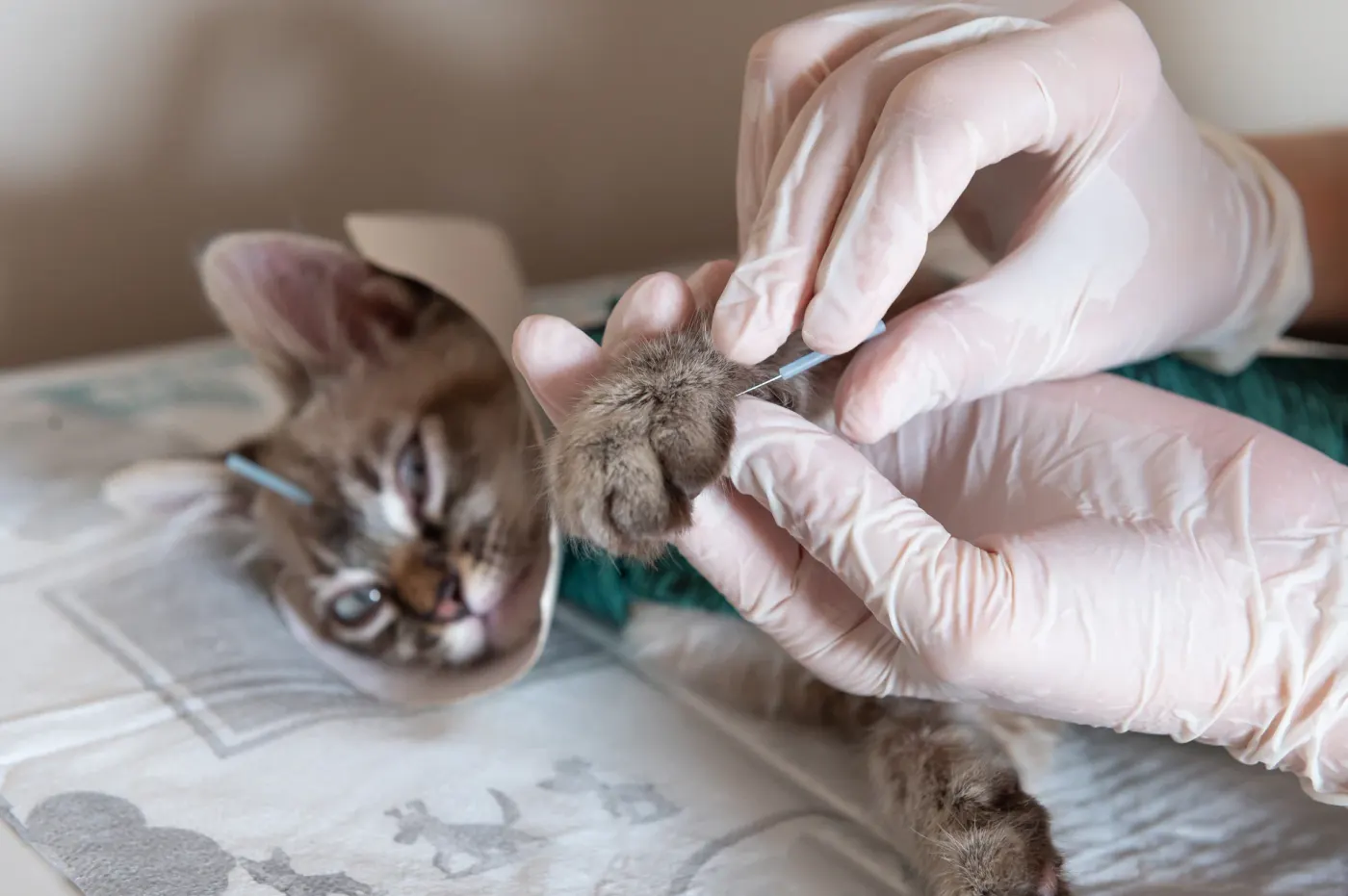
Financial Help for Vet Bills: Grants, Loans, and Assistance Programs
When you need help paying for emergency vet care, several options exist. Below is a comparison of common financial assistance sources to help you decide which fits your situation.
| Option | How It Works | Typical Amount | Best For |
|---|---|---|---|
| RedRover Urgent Care Grants | Apply online; nonprofit provides funds directly to vet | $200–$500 | Pet owners with low income facing a life-threatening emergency |
| CareCredit | Health care credit card; deferred interest if paid in full within promo period | Varies by credit limit | Those with good credit who can pay within promo period |
| Scratch Pay | Installment loans for vet bills; no interest if paid on time | Varies by credit | Pet owners who need to spread payments over months |
| Pet Assistance, Inc. | Grant program for low-income pet owners; funds sent to vet | Up to $200 | Low-income owners with non-routine emergencies |
| Local animal shelters | Some shelters offer low-cost clinics or emergency funds | Varies | Residents of the shelter's service area |
| Payment plans with your vet | Ask your veterinarian to set up a schedule | Depends on bill | Those who can make a down payment and regular payments |
Each option has eligibility criteria, so check requirements before applying. For example, RedRover grants require proof of income and a vet's estimate. CareCredit and Scratch Pay require a credit check. Start with the option that matches your financial situation and urgency.
Recognizing a Pet Emergency: Signs Your Dog Needs Immediate Care
Knowing when your dog's condition is an emergency can save precious time and money. If you notice any of these signs, seek veterinary care immediately:
- Difficulty breathing – Labored breathing, choking, or blue gums indicate a life-threatening issue.
- Seizures – A seizure lasting more than 2 minutes or multiple seizures in a row is an emergency.
- Severe pain – Whining, shaking, hiding, or aggression when touched can mean serious pain.
- Uncontrolled bleeding – Bleeding that doesn't stop after 5 minutes of pressure requires urgent care.
- Vomiting or diarrhea with blood – Blood in vomit or stool can signal internal bleeding or poisoning.
- Inability to stand or walk – Sudden weakness or paralysis needs immediate evaluation.
- Eye injuries – Swollen, red, or cloudy eyes, or sudden vision loss, are emergencies.
- Heatstroke – Excessive panting, drooling, and collapse after heat exposure is critical.
If your dog shows any of these signs, call your veterinarian or an emergency clinic right away. For non-emergencies, such as mild limping or a small wound, you can schedule a regular appointment.
Can an Emergency Vet Turn You Away If You Can't Pay?
In most cases, emergency veterinarians will not turn away an animal in critical condition, but they may require payment before providing non-life-saving treatment. For life-threatening emergencies, many clinics will stabilize your pet first and then discuss payment. However, they are not legally obligated to provide free care.
If you cannot pay upfront, explain your situation clearly. Ask if they offer payment plans or if you can apply for CareCredit or Scratch Pay on the spot. Some clinics, including Aborn Pet Hospital, work with pet owners to find a solution. You can also call ahead to ask about their policy. For example, if your dog has a broken leg, the vet may splint it and then discuss payment options for surgery.
Remember, it's always better to call first. Explain that you have no money and ask what options are available. Many veterinarians want to help and will guide you to resources like RedRover grants or local assistance programs.
RedRover (organization)
RedRover is a national nonprofit organization dedicated to helping animals in crisis and strengthening the bond between people and pets. Founded in 1987, it provides financial assistance through its Urgent Care Grants program, which offers funds to pet owners who cannot afford emergency veterinary treatment. The organization also focuses on disaster response and humane education. For pet owners facing an emergency with no money, RedRover's grants can be a lifeline, covering part of the cost and allowing veterinarians to provide critical care.
Directions to our veterinarian in Fremont, CA from NewPark Mall
Start at NewPark Mall and head to Aborn Pet Hospital at 40951 Grimmer Blvd, Fremont, CA 94538.
Free and Low-Cost Emergency Vet Care in Fremont, CA
If you're in Fremont or nearby areas like Newark, Union City, Milpitas, or Hayward, several options may offer low-cost or emergency care. Here's how to find help:
- Call Aborn Pet Hospital at (510) 656-0223. We are located at 40951 Grimmer Blvd, Fremont, CA 94538, and open Mon–Fri 8 AM–6 PM, Sat 8 AM–5 PM. We can discuss your situation and recommend resources. New clients receive a free first exam (terms apply).
- Contact local animal shelters. Shelters in the area, such as those in Centerville or Irvington, may offer low-cost clinics or know of emergency funds. Ask about sliding-scale fees.
- Search for low-cost clinics in nearby cities. Check in Newark, Union City, or Milpitas for clinics that advertise affordable care. Some may offer payment plans.
- Use online resources. Websites like RedRover's grant finder or Pet Assistance, Inc. can help you locate financial aid. You can also ask your vet for a list of local resources.
For after-hours emergencies, call an emergency vet clinic in the area. Ask about their payment policies and whether they accept CareCredit or Scratch Pay. Always call ahead to confirm availability and costs.
Building an Emergency Vet Fund for Your Dog
Setting aside money for pet emergencies can prevent a financial crisis later. Below is a comparison of common ways to build a fund, with general cost ranges that vary by provider and location.
| Option | How It Works | Typical Cost (varies) | Best For |
|---|---|---|---|
| Dedicated savings account | Deposit a fixed amount each month into a separate account used only for pet care. | No fees; you choose the amount | Pet owners who want control and no debt |
| Pet insurance | Pay a monthly premium; the insurer reimburses a percentage of covered vet bills after a deductible. | $20–$60 per month for dogs; varies by breed, age, and coverage level | Those who want predictable monthly costs and coverage for major illnesses or accidents |
| CareCredit | Healthcare credit card with deferred-interest promotions if paid in full within a set period. | 0% APR for 6–24 months on qualifying charges; standard APR afterward | Pet owners who can pay off the balance within the promotional period |
| Low-cost wellness plan | Monthly subscription covering routine care (vaccines, exams) so you save for emergencies separately. | $30–$80 per month; varies by plan and location | Those who want to spread routine costs and focus savings on emergencies |
| Employer pet benefits | Some employers offer pet insurance discounts or contribute to a pet health savings account. | Varies by employer; often no direct cost to you | Employees whose company offers such benefits |
To decide, compare the monthly cost against your budget and your dog's risk factors (age, breed, health history). A combination of a small savings account and a basic insurance plan often provides the most flexibility.
How to Talk to Your Vet About Cost When Your Dog Needs Emergency Care
Having a frank conversation with your veterinarian about money can be uncomfortable, but it's essential. Here's how to approach it:
- Be honest from the start. Say, 'I'm in a tough spot financially. Can you help me understand the most critical treatments and what they cost?' This opens the door for a cost-effective plan.
- Ask for a written estimate. Request an itemized list of recommended tests, procedures, and medications. Then ask, 'Which of these are absolutely necessary right now, and which can wait?'
- Discuss payment options. Ask, 'Do you offer payment plans? Can I apply for CareCredit or Scratch Pay here?' Many clinics have applications on hand.
- Inquire about generic or alternative treatments. Ask if there are less expensive medications or procedures that could work. For example, a generic antibiotic may be cheaper than a brand-name one.
- Ask about financial assistance programs. Say, 'Are there any grants or local funds I can apply for?' Your vet may know about RedRover or other resources.
Remember, veterinarians want to help. Being upfront about your limits allows them to tailor a treatment plan that fits your budget while still providing essential care.
For details on services and visits, see the main page about veterinarian fremont ca.
Sources
Also asked as
- Can I take my dog to the emergency vet with no money?
- How to get vet care for a dog with no money?
- What to do when you can't afford healthcare for your dog
Frequently asked questions
What are the signs that a dog is nearing the end of its life?
Signs include extreme lethargy, loss of appetite, difficulty breathing, incontinence, and withdrawal from family. If you notice these, consult your veterinarian for palliative care options.
Can I take my dog to the hospital with no money?
Yes, you can take your dog to an emergency vet, but they may require payment for non-life-saving treatments. For life-threatening emergencies, they will stabilize your pet first. Always call ahead to discuss your situation.
How to pay for vet bills?
Options include CareCredit, Scratch Pay, RedRover grants, payment plans with your vet, and local shelter assistance. Start by asking your vet for a cost estimate and then explore these resources.
What are 7 signs that my dog is in pain?
Signs include whining, limping, restlessness, hiding, aggression when touched, decreased appetite, and excessive panting. If you see these, consult your vet.
How do dogs lay when in pain?
Dogs in pain may lie in a 'praying position' (front legs down, rear up) to relieve abdominal pressure, or they may curl up tightly. They may also avoid lying down altogether.