
When to See a Veterinarian: A Complete Guide for Pet Owners
See a veterinarian immediately if your pet has difficulty breathing, seizures, severe bleeding, or suspected bloat. For routine care, schedule wellness exams annually for adult pets and every six months for seniors. Early signs like appetite changes, lethargy, or vomiting warrant a sick visit.
When to See a Veterinarian Immediately: Emergency Signs
If your pet shows any of the following signs, seek emergency veterinary care right away. Call us at (510) 656-0223 or head to the nearest emergency clinic. Time is critical.
- Difficulty breathing — Labored breathing, choking, or blue gums indicate a life-threatening issue.
- Seizures — A seizure lasting more than a few minutes or multiple seizures in a row requires immediate attention.
- Unconsciousness or collapse — Your pet cannot be roused or has suddenly fallen over.
- Severe bleeding — Bleeding that does not stop with pressure or from a major wound.
- Suspected bloat (gastric dilatation-volvulus) — Signs include a distended abdomen, unproductive retching, and restlessness. This is a medical emergency.
- Ingestion of toxins — If your pet ate something poisonous (e.g., chocolate, grapes, xylitol, or antifreeze), call us or a poison control center immediately.
- Trauma — Hit by a car, fall from height, or any serious injury.
- Sudden inability to walk or loss of balance — May indicate a spinal injury or neurological issue.
If you are unsure, err on the side of caution and call us. We can help you decide if you need to come in immediately. For after-hours emergencies, please contact an emergency veterinary hospital.
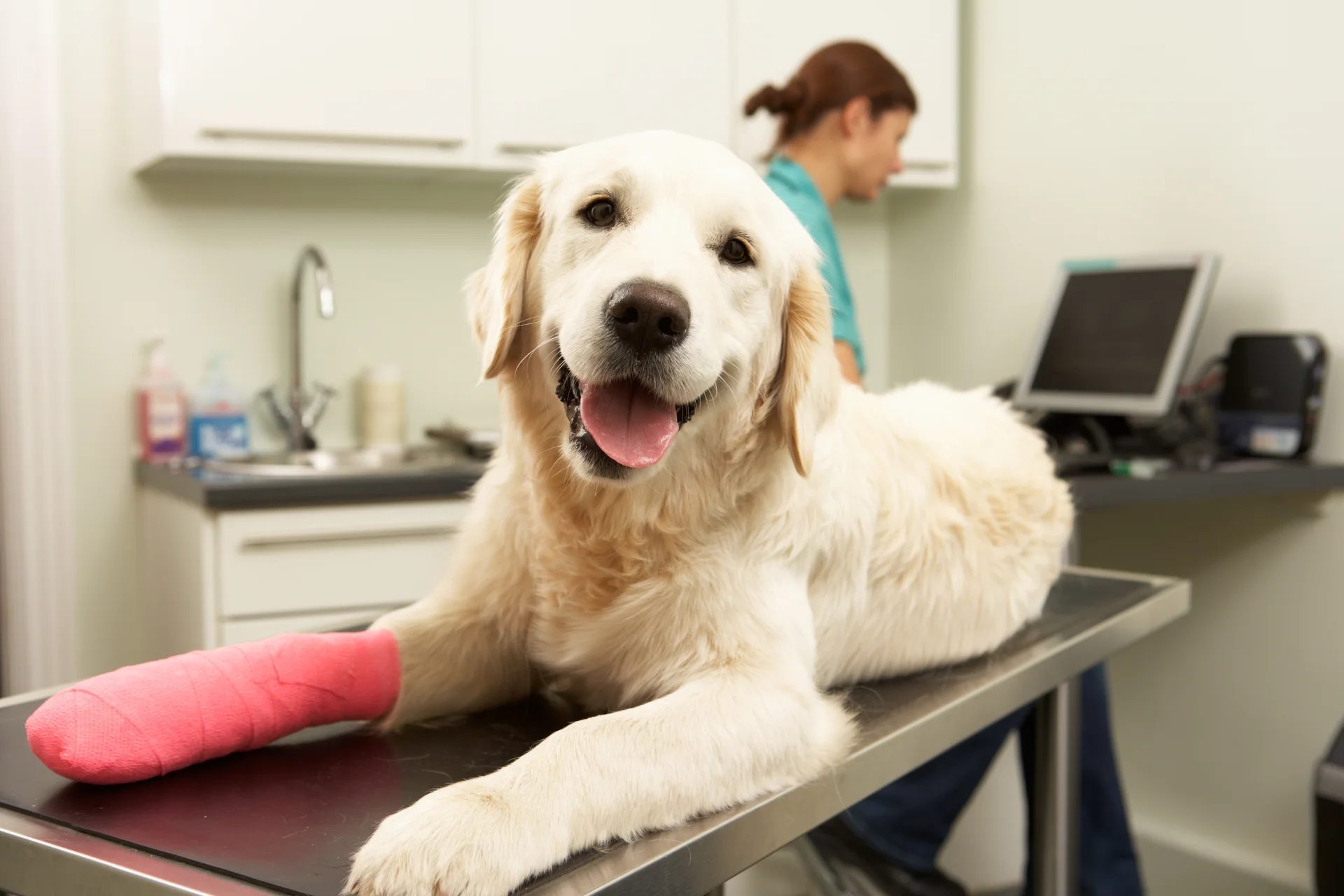
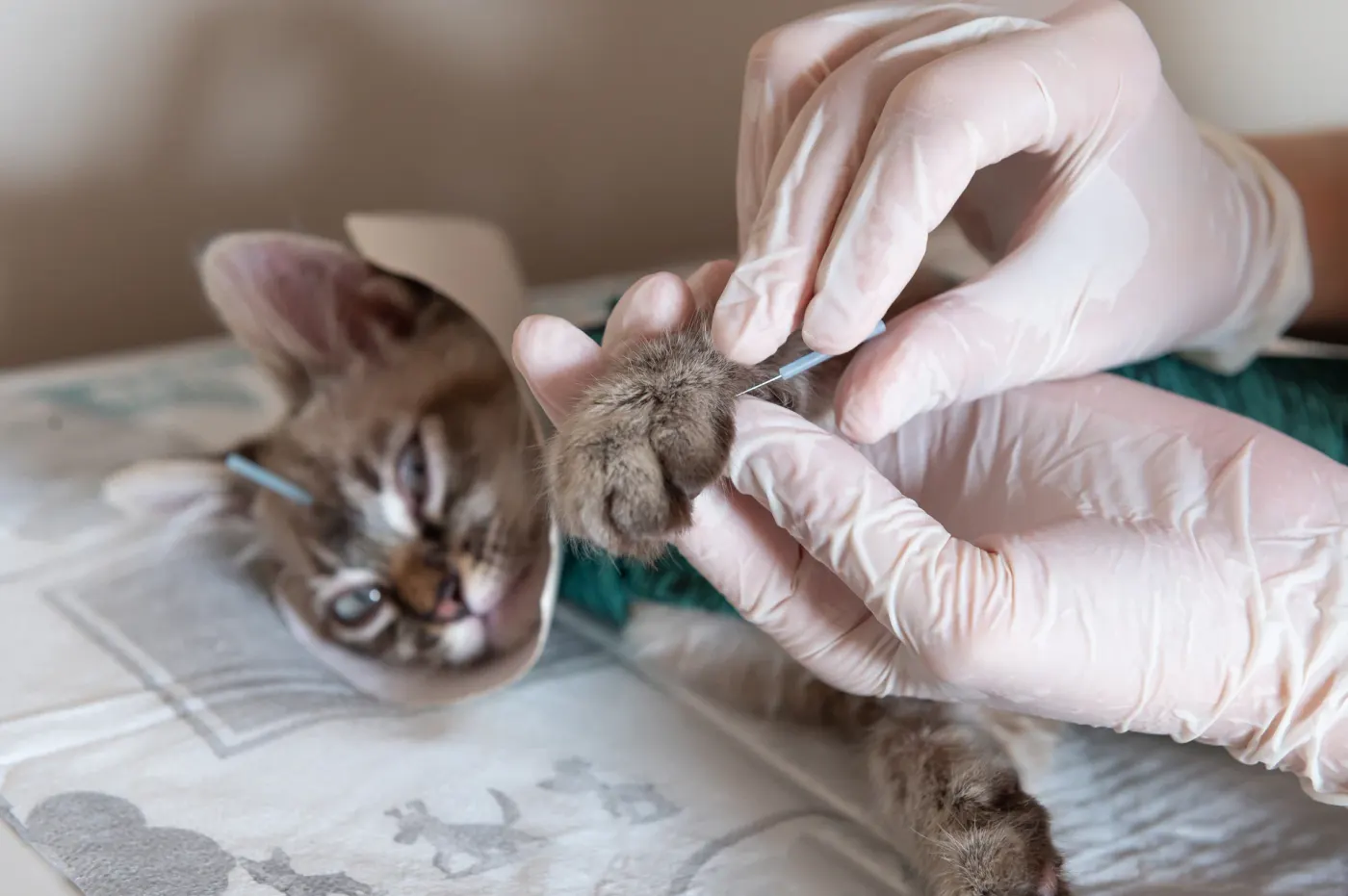
When to See a Veterinarian: Recommended Visit Frequency by Age
Your pet's age determines how often they need a checkup. Here is a general schedule for dogs and cats.
| Life Stage | Age Range | Recommended Visit Frequency | Key Focus |
|---|---|---|---|
| Puppy/Kitten | Up to 16 weeks | Every 3–4 weeks until 16 weeks old | Vaccination series, deworming, early health screening |
| Junior | 6 months to 2 years | Annually | Spay/neuter, dental check, preventive care |
| Adult | 2–7 years | Annually | Wellness exam, vaccinations, parasite prevention |
| Senior | Around 7 years and older | Every 6 months | Blood work, dental health, arthritis management, early disease detection |
Senior pets, around 7 years old, benefit from twice-yearly visits to catch age-related issues early. Puppies and kittens need frequent visits for their initial vaccine series. We recommend scheduling your pet's first visit soon after adoption.
When to See a Veterinarian: Early Warning Signs in Your Pet
Subtle changes can signal underlying health problems. If you notice any of these signs, schedule a sick visit rather than waiting for your annual checkup.
- Appetite change — Loss of appetite or sudden increase in hunger can indicate dental pain, gastrointestinal issues, or metabolic disease.
- Significant decrease in energy — Lethargy or reluctance to play may point to pain, infection, or chronic illness.
- Vomiting or diarrhea — Occasional vomiting may not be urgent, but if it persists for more than 24 hours, or if there is blood, see a vet.
- Lameness — Limping or favoring a leg could be due to injury, arthritis, or a torn ligament.
- Urinary tract issues — Straining to urinate, blood in urine, or accidents in the house may indicate a urinary tract infection or bladder stones.
- Excessive scratching or hair loss — Could be allergies, parasites, or skin infections.
- Bad breath or drooling — Often a sign of dental disease, which can affect overall health.
If you notice any serious symptoms or behavior abnormal for your pet, it is always better to call us and discuss. Early intervention often leads to better outcomes.
When to See a Veterinarian: What to Expect During a Visit
A routine wellness exam is straightforward and helps us keep your pet healthy. Here is what typically happens.
- Check-in — You will be greeted by our team and asked about your pet's history and any concerns.
- Physical exam — Our veterinarian will perform a nose-to-tail exam, checking eyes, ears, teeth, heart, lungs, abdomen, skin, and joints.
- Vaccinations and preventive care — Based on your pet's age and lifestyle, we may recommend vaccines, parasite prevention, or dental care.
- Diagnostics — If needed, we may suggest blood work, urinalysis, or fecal testing to screen for hidden issues.
- Plan and recommendations — We will discuss findings, answer your questions, and create a care plan tailored to your pet.
We aim to make visits low-stress. Feel free to bring treats or a favorite toy. For first-time clients, we offer a free first exam (terms apply) to help you get to know us.
Directions to our veterinarian in Fremont, CA from Centerville Pioneer Cemetery
Start at Centerville Pioneer Cemetery and head to Aborn Pet Hospital at 40951 Grimmer Blvd, Fremont, CA 94538.
When to See a Veterinarian for a Sick Visit
A good fit if…
- Your pet has mild symptoms like occasional vomiting, diarrhea, or a slight limp that do not seem life-threatening.
- You notice subtle changes in behavior, appetite, or energy that have lasted more than a day.
- Your pet is due for a routine checkup but you also want to address a non-urgent concern.
Consider emergency care if…
- Your pet has difficulty breathing, seizures, severe bleeding, or suspected bloat.
- Your pet is unconscious, collapsed, or unable to stand.
- Your pet ingested a known toxin or has been in a serious accident.
If you are unsure, call us at (510) 656-0223. We can help you decide whether to schedule a sick visit or seek emergency care. It is always better to ask than to wait.
When to See a Veterinarian: Understanding Visit Costs
The cost of a vet visit varies based on the type of care needed, your pet's condition, and the services provided. Here is a general breakdown of factors that influence cost.
| Factor | Why It Matters | Typical Range (General) |
|---|---|---|
| Type of visit | Routine wellness exams are generally less expensive than sick visits or emergencies. | Varies; ask for a quote |
| Diagnostics | Blood work, X-rays, and urinalysis add to the cost but are essential for diagnosis. | Varies widely |
| Vaccinations | Core vaccines are typically included in wellness plans; others are additional. | Varies |
| Emergency care | After-hours or emergency visits often have higher fees due to urgency and resources. | Generally higher |
| Location | Costs can differ by region; Fremont and the Bay Area may have higher average costs. | Varies |
We accept credit cards, cash, and CareCredit to help manage costs. For a specific estimate, please call us. We believe in transparent pricing and will discuss all costs before proceeding with any treatment.
For details on services and visits, see the main page about veterinarian fremont ca.
Sources
Also asked as
- When should I take my pet to the vet?
- How do I know if my pet needs emergency care?
- How often should my pet see a vet?
Frequently asked questions
When should my cat see a vet?
Kittens need visits every 3–4 weeks until 16 weeks old for vaccinations. Adult cats should have an annual wellness exam. Senior cats, around 7 years and older, benefit from visits every six months to monitor for age-related issues like kidney disease or hyperthyroidism.
What are 7 signs that my dog is in pain?
Signs of pain in dogs include limping, whimpering, restlessness, decreased appetite, hiding, excessive licking of a specific area, and changes in behavior like aggression or withdrawal. If you notice any of these, schedule a vet visit.
When should I be concerned about my dog throwing up?
Occasional vomiting may not be urgent, but you should see a vet if vomiting persists for more than 24 hours, contains blood, is accompanied by lethargy or diarrhea, or if your dog is a puppy or senior. Repeated vomiting can lead to dehydration.
How much does a basic vet visit usually cost?
The cost of a basic vet visit varies widely depending on location, the clinic, and services included. It typically covers the exam fee and may include basic vaccinations or diagnostics. We recommend calling for a specific quote.