
My Dog Is Dying: What Can I Give Him for Pain? Expert Veterinary Guidance
Do not give your dog any human pain relievers—they can be toxic or fatal. Call your veterinarian immediately for safe options like veterinary NSAIDs or other prescribed medications. Meanwhile, provide gentle comfort, a quiet space, and soft bedding.
How to Comfort Your Dying Dog and Recognize End-of-Life Signs
When your dog is nearing the end, your primary goal is to keep them comfortable and peaceful. Recognizing the signs that death is near helps you provide the right care and make timely decisions. Here are steps to comfort your dog and understand what to expect.
- Create a Peaceful Environment Set up a quiet, warm, and dimly lit space where your dog can rest undisturbed. Use their favorite bed or blankets and keep familiar items nearby. Minimize noise and activity to reduce stress.
- Monitor Pain and Discomfort Watch for signs like whimpering, restlessness, panting, or reluctance to move. If you suspect pain, contact your veterinarian immediately—do not attempt to treat it yourself. They may prescribe medications like gabapentin or buprenorphine to ease suffering.
- Provide Gentle Physical Comfort Offer soft bedding, gentle massage, and light pressure if your dog enjoys it. Avoid moving them unnecessarily. If they are incontinent, use absorbent pads and clean them gently to prevent sores.
- Offer Food and Water as Tolerated Your dog may lose interest in eating or drinking. Offer small amounts of water or ice chips, and try hand-feeding bland foods like boiled chicken or rice if they are willing. Do not force feed.
- Recognize End-of-Life Signs Common signs include loss of appetite, difficulty breathing, incontinence, withdrawal, and a drop in body temperature. Knowing these helps you prepare and decide when to call your vet for guidance or euthanasia.
- Stay Present and Calm Your dog finds comfort in your presence. Speak softly, stroke them gently, and let them know they are loved. Your calm demeanor helps them feel safe during this transition.

What Can I Give My Dying Dog for Pain Right Now?
If your dog is in pain right now, the safest and most effective step is to contact your veterinarian immediately. Do not give any human pain relievers—they can cause severe toxicity or death. Here is what you should do:
- Call Your Veterinarian Explain your dog's condition and ask for guidance. They may prescribe a safe pain medication like carprofen (Rimadyl), gabapentin, or buprenorphine. Many clinics, including Aborn Pet Hospital, can see you the same day or provide telemedicine advice.
- Do Not Give Human Medications Ibuprofen (Advil, Motrin), acetaminophen (Tylenol), and naproxen (Aleve) are toxic to dogs. Even baby aspirin can cause bleeding or kidney damage. Paracetamol (acetaminophen) is especially dangerous and can be fatal in small doses.
- Use Non-Drug Comfort Measures While waiting for veterinary care, provide a soft, warm bed, gentle massage, and a quiet environment. Cold packs (wrapped in a towel) can be applied to sore joints for 10–15 minutes at a time. Do not apply heat unless directed by a vet.
- Consider Veterinary-Prescribed Options Your vet may recommend NSAIDs like carprofen, firocoxib (Previcox), or grapiprant (Galliprant), or other medications like tramadol or gabapentin. These are formulated for dogs and are much safer than human drugs.
- Prepare for an Emergency Visit If your dog is in severe pain, is unable to stand, has difficulty breathing, or seems distressed, bring them to the vet immediately. Aborn Pet Hospital offers emergency care during business hours and can refer you to 24-hour facilities if needed.
Natural Pain Relief for Dogs: Home Remedies and Alternative Therapies
A good fit if…
- Your dog has mild discomfort and you want to supplement veterinary care with gentle, non-drug options.
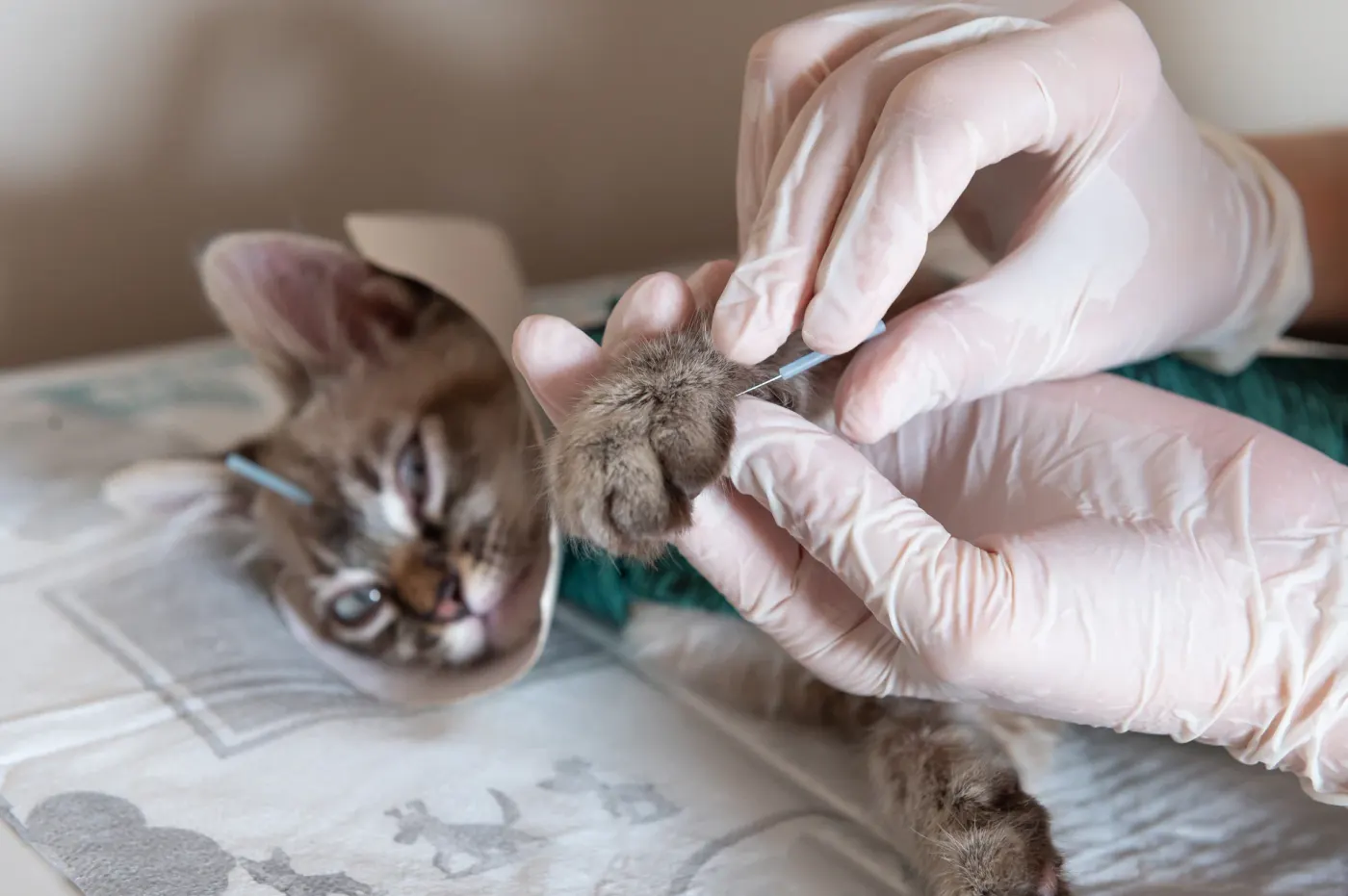
- You are already working with your vet and want to explore acupuncture, massage, or CBD oil as complementary therapies.
- Your dog is calm and tolerates handling well, allowing for massage or cold therapy.
Consider another option if…
- Your dog is in moderate to severe pain—natural remedies alone are unlikely to provide adequate relief.
- Your dog has a condition like cancer, organ failure, or severe arthritis that requires prescription medication.
- You are considering CBD oil without consulting your vet first, as dosing and quality vary widely.
Natural remedies can help but should never replace veterinary care. Always discuss any supplements or therapies with your veterinarian, especially for a dying dog. We at Aborn Pet Hospital can guide you on safe options like cold laser therapy or acupuncture, and help you decide what is best for your pet's comfort.
When to Call a Vet or Consider Euthanasia for Your Dying Dog
A good fit if…
- Your dog is in pain that cannot be controlled with medication or comfort measures.
- Your dog has stopped eating or drinking, is unable to stand, or seems to be suffering.
- You feel overwhelmed and need professional guidance to assess your dog's quality of life.
Consider another option if…
- Your dog is still eating, drinking, and interacting with you, even if they are slowing down.
- You have a clear plan for palliative care and your dog seems comfortable most of the time.
- You are not ready to make a decision and want to explore all options first.
Deciding when to say goodbye is deeply personal. Our team at Aborn Pet Hospital can help you evaluate your dog's quality of life and discuss euthanasia as a compassionate option to end suffering. We are here to support you, whether you need pain management advice or end-of-life care. Call us at (510) 656-0223 to talk through your situation.
Carprofen
Carprofen is a nonsteroidal anti-inflammatory drug (NSAID) that belongs to the carbazole and propionic acid class. Originally developed for use in both humans and animals, it is now exclusively available through veterinarians for treating various conditions in pets. Carprofen works by inhibiting the COX-1 and COX-2 enzymes, which reduces inflammation and pain. Its selectivity for COX-2 varies between species, which influences its safety and effectiveness. This medication is commonly used to manage joint pain, postoperative discomfort, and other inflammatory conditions in dogs. If your dog is in pain, especially during end-of-life care, carprofen may be one of the options your veterinarian considers to improve their comfort and quality of life.
Directions to our veterinarian in Fremont, CA from Averroes High School
Start at Averroes High School and head to Aborn Pet Hospital at 40951 Grimmer Blvd, Fremont, CA 94538.
Veterinary Pain Medications for Dogs: What Your Vet May Prescribe
Veterinarians have several safe and effective options for managing pain in dogs, especially in end-of-life care. These medications are prescribed based on your dog's specific condition, weight, and overall health. Below is a comparison of common veterinary pain medications.
| Medication | Type | Common Use | Key Considerations |
|---|---|---|---|
| Carprofen (Rimadyl) | NSAID | Inflammation and pain from arthritis, surgery, or cancer | First-line choice for many dogs; monitor liver and kidney function |
| Firocoxib (Previcox) | NSAID | Osteoarthritis and postoperative pain | Similar to carprofen; may be better for some dogs |
| Grapiprant (Galliprant) | NSAID (piprant class) | Osteoarthritis pain | Targets pain with fewer gastrointestinal side effects |
| Gabapentin | Anticonvulsant/analgesic | Neuropathic pain, chronic pain, anxiety | Often used with other medications; causes sedation |
| Tramadol | Opioid-like analgesic | Moderate to severe pain | Effectiveness varies; may be used with NSAIDs |
| Buprenorphine | Opioid partial agonist | Acute or severe pain | Short-acting; used in hospital or injectable form |
Your veterinarian may recommend multiple medications for better pain control. Always follow dosing instructions exactly and report any side effects. At Aborn Pet Hospital, we tailor pain management plans to each dog's needs, whether they are recovering from surgery or receiving end-of-life care.
Can I Give My Dog Human Pain Relievers Like Tylenol or Aspirin?
No. Human pain relievers are not safe for dogs and can cause serious harm or death. Below is a comparison of common human medications and their effects on dogs.
| Human Medication | Common Brand Names | Effect on Dogs | Safe Alternative |
|---|---|---|---|
| Acetaminophen | Tylenol, Paracetamol | Highly toxic; causes liver damage and red blood cell damage; can be fatal | Veterinary NSAIDs like carprofen |
| Ibuprofen | Advil, Motrin | Can cause kidney failure, stomach ulcers, and gastrointestinal bleeding | Veterinary-prescribed pain relievers |
| Naproxen | Aleve | Very toxic; can cause kidney damage and bleeding disorders | Gabapentin or tramadol (prescribed) |
| Aspirin (including baby aspirin) | Bayer, Bufferin | Can cause stomach ulcers, bleeding, and kidney damage; not recommended | Veterinary NSAIDs or other prescribed options |
If your dog has accidentally ingested any human pain reliever, call your veterinarian or a pet poison helpline immediately. Do not wait for symptoms to appear. At Aborn Pet Hospital, we can provide emergency care and safe pain management for your dog.
For details on services and visits, see the main page about veterinarian fremont ca.
Sources
Also asked as
- What can I give my dog for pain relief at home?
- Can I give my dog aspirin or Tylenol for pain?
- How can I comfort my dying dog without medication?
Frequently asked questions
Is baby aspirin safe for dogs?
No, baby aspirin is not safe for dogs. It can cause stomach ulcers, gastrointestinal bleeding, and kidney damage, especially with repeated use. There are safer, veterinary-approved pain medications available.
My dog ate a 500mg paracetamol. What should I do?
This is an emergency. Paracetamol (acetaminophen) is highly toxic to dogs and can cause liver failure and damage to red blood cells. Call your veterinarian or a pet poison helpline immediately, and bring your dog to the nearest emergency clinic.
How to help a dog pass away peacefully?
Create a calm, comfortable environment with soft bedding and familiar items. Offer gentle touch and soothing words. Consult your veterinarian about pain management and consider euthanasia if your dog is suffering. Your vet can guide you through the process to ensure a peaceful passing.
What can I give my dog for immediate pain relief at home?
Do not give any human medications. Instead, provide a quiet, warm space, gentle massage, and cold packs wrapped in a towel for sore areas. Call your veterinarian for guidance—they may prescribe a safe pain reliever that you can pick up quickly.
Can you give dogs Tylenol or aspirin?
No. Tylenol (acetaminophen) and aspirin are not safe for dogs. Both can cause serious health issues including liver damage, kidney failure, and bleeding. Always use medications specifically prescribed by your veterinarian.